
-
-
-
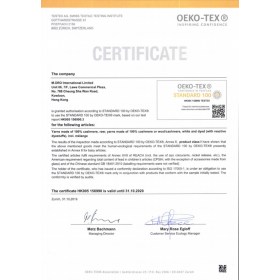
OEKO-TEX
Issuing authority : TESTEX AG,SWISS TEXTILE TESTING INSTITUTE
Valid period : 2019/10/31 - 2020/10/31
STANDARD 100 by OEKO-TEX® is one of the world's best-known labels for textiles tested for harmful substances. It stands for customer confidence and high product safety.
OEKO-TEX® STANDARD 100 is a label for textiles tested for harmful substances. It sets the benchmark for textile safety, from yarn to finished product. Every item bearing the STANDARD 100 label is certified as having passed safety tests for the presence of harmful substances.
Textiles and leather items carrying the OEKO-TEX® MADE IN GREEN label are produced more sustainably in socially responsible workplaces. Customers purchase them with confidence that they are traceable and tested for harmful substances. This label supports both better working conditions and a healthier planet.
Product and consumer safety is ensured through testing for harmful substancesEnvironmental responsibility is ensured through verified chemical management and wastewater qualityWorkers are protected through fair wages, regular working hours and workplace safety
-
-
-
-
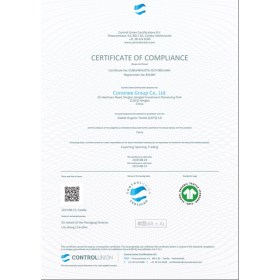
GOTS
Issuing authority : Control Union
Valid period : 2019/8/19 - 2020/8/19
The Global Organic Textile Standard (GOTS) was developed through collaboration by leading standard setters with the aim of defining requirements that are recognised world-wide and that ensure the organic status of textiles from harvesting of the raw materials through environmentally and socially responsible manufacturing all the way to labelling in order to provide credible assurance to the consumer.
GOTS applies to products with at least 70% certified organic natural fibers (cotton, wool, linen, etc.). It mandates third-party audits of every production stage-spinning, weaving, dyeing, sewing, and trading-with full traceability from farm to finished goods.Key requirements include:- Environmental: Ban on harmful chemicals, strict wastewater treatment, sustainable packaging, and waste reduction.
- Social: Compliance with ILO standards-no child/forced labor, safe working conditions, fair wages, and regular working hours.
- Labeling: Only certified products may use GOTS marks; 95%+ organic fiber qualifies for "100% Organic" labeling.
GOTS certification is globally recognized, accepted in major global markets, and requires annual renewal. It provides consumers and businesses with credible assurance of truly organic, eco-friendly, and ethically produced textiles.
-
-
-
-
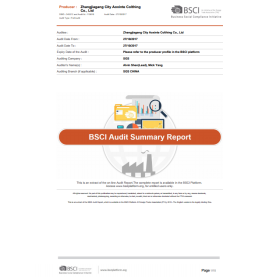
BSCI
Issuing authority : SGS
Valid period : 2019/10/30 - 2021/10/30
The Business Social Compliance Initiative (BSCI) is a leading global supply chain social compliance system managed by amfori (formerly the European Foreign Trade Association), headquartered in Brussels, Belgium. Designed to unify fragmented global compliance standards, it is a collaborative monitoring and capacity-building platform rather than a traditional certification scheme. It helps cut redundant audits and supports companies in promoting social compliance and sustainable improvements in factories and farms worldwide.BSCI strictly follows authoritative international labor and human rights standards, integrating core conventions of the International Labor Organization (ILO), the UN Guiding Principles on Business and Human Rights, and OECD Guidelines for Multinational Enterprises. It establishes a unified cross-border compliance framework and sets a consistent baseline for global worker protection and ethical operations.It serves global retailers, brands, importers, exporters and manufacturers across industries such as textiles, electronics and food, focusing on key areas including worker rights, fair employment, workplace safety, anti-discrimination, bans on child and forced labor, environmental protection and supply chain transparency.BSCI adopts independent third-party audits with publicly shared results to avoid duplicate checks, prioritizing continuous improvement over punishment. It protects basic workers' rights globally, helps enterprises reduce compliance and reputational risks, enhances supply chain resilience, and serves as a vital tool for ethical and sustainable global trade.
-